
L A S V Í A S D E L A G U A
Editorial Aparte, Santiago, 2022.
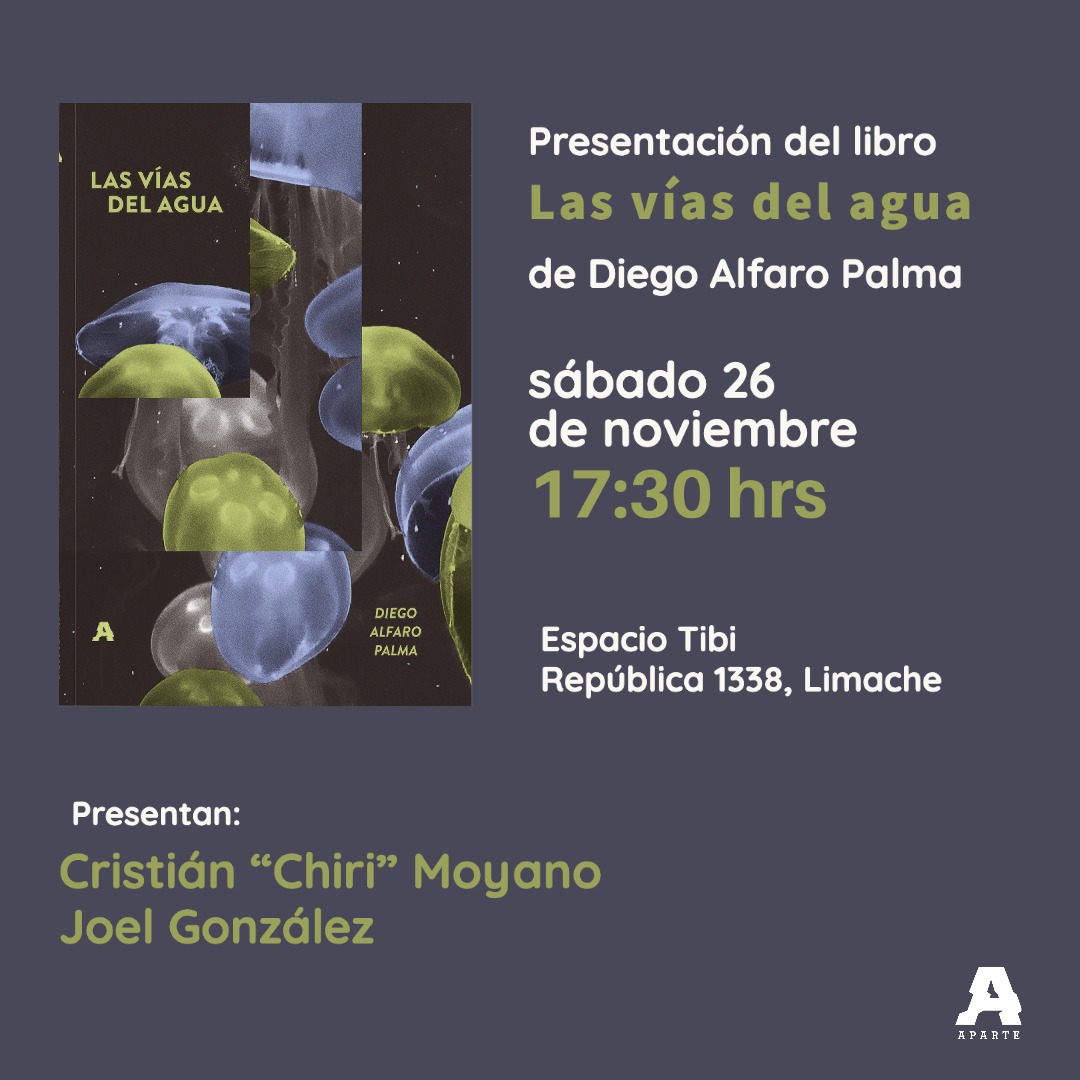
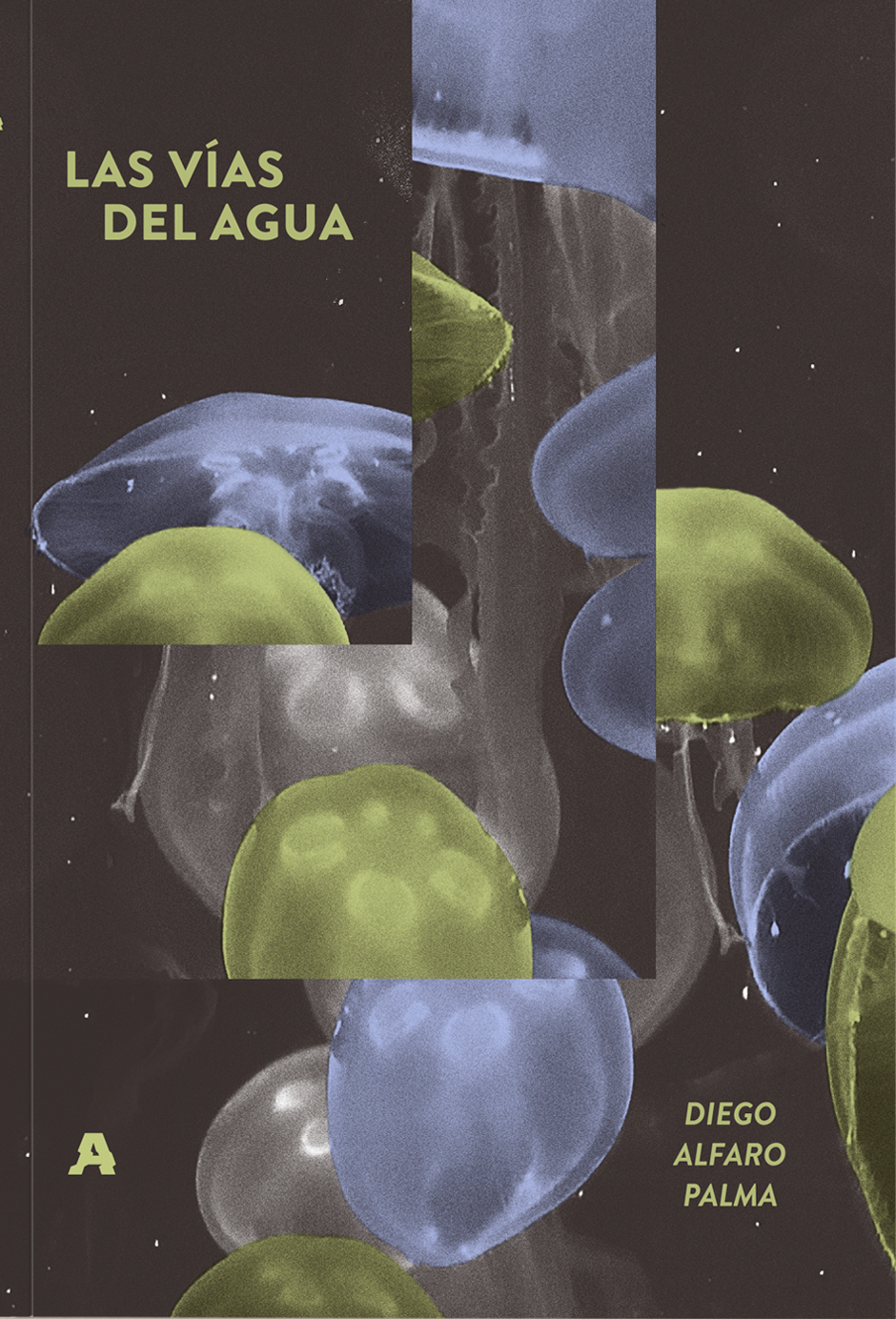
Viaje estelar y microscópico, meditación sobre los vivos y los muertos, Las vías del agua–reunión de tres libros de Diego Alfaro Palma– habla de la continuidad orgánica, la conexión del mundo natural. El poeta chileno hace de la pregunta por lo que perdura, raíz de la poesía, un interrogante político y ecológico sobre cómo habitar. Vemos comunidades de plantas, bichos, animales y migraciones de residuos en Bolsas; el descenso a los muertos en Los sueños de los sueños Kurosawa, donde formas en estado de pasaje se asoman y nos hablan, como el gesto de un tío desde el más allá, los espíritus del bosque con sus máscaras de zorros y conejos, el propio cineasta vuelto mirlo y los abuelos transmigrados en luciérnagas. “Bajé los escalones, llevaba conmigo palabras de los muertos que no pude traducir”. Esta es la invocación de la poesía, un reconocimiento del otro y de sí mismo, un regreso habitado de voces. El inédito Facultad de Agronomía es esa vuelta, un esfuerzo de atención naturalista que se va concentrando en el paisaje hasta su dimensión molecular: un cambio sutil en la atmósfera, el ciclo del mar y las estrellas, el lenguaje de las algas. Se trata de las relaciones: el árbol y la entonación del cardenal, el grillo y el sueño de los mamíferos, las arañas y las nebulosas, el reggaetón y las abejas. Se trata, en resumen, de una fuerza lírica que nos propone una manera de pertenecer. “Una casa es un lugar para proyectar un jardín y honrar a los muertos”, dice el espíritu de la perra de Alfaro Palma, echada sobre el pasto. Los tres presentes libros son la casa. Daniel Lipara
Reseñas / Reviews:

Leer:
🇧🇴 Tres fragmentos de Los sueños de los sueños de Kurosawa
📚 5 poemas de Facultad de Agronomía
A stellar and microscopic voyage, a meditation on the living and the dead, Las vías del agua -a union of three books by Diego Alfaro Palma- speaks of organic continuity, the connection of the natural world. The Chilean poet turns the question of what endures, the root of poetry, into a political and ecological question about how to inhabit. We see communities of plants, bugs, animals and waste migrations in Bolsas; the descent to the dead in Los sueños de los sueños Kurosawa, where forms in a state of passage peek out and speak to us, like the gesture of an uncle from beyond, the spirits of the forest with their fox and rabbit masks, the filmmaker himself turned blackbird and the grandparents transmigrated into fireflies. «I went down the steps, I carried with me words of the dead that I could not translate.» This is the invocation of poetry, a recognition of the other and of oneself, a return inhabited by voices. The unpublished Facultad de Agronomía is that return, an effort of naturalistic attention that focuses on the landscape to its molecular dimension: a subtle change in the atmosphere, the cycle of the sea and the stars, the language of algae. It is about relationships: the tree and the intonation of the cardinal, the cricket and the sleep of mammals, spiders and nebulae, reggaeton and bees. It is, in short, a lyrical force that proposes to us a way of belonging. «A house is a place to project a garden and honor the dead,» says the spirit of Alfaro Palma’s dog, lying on the grass. The three present books are the house. Daniel Lipara
 El panorama ante nosotros